
Solar generators offer a promising alternative to traditional backup systems. They harvest sunlight to produce electricity, presenting a clean and renewable energy source. With advancements in technology, these generators boast impressive features like high-efficiency solar input up to 3,200W, dual voltage outputs, and scalability from 3.84kWh to 53.8kWh. As homes increasingly adopt sustainable practices, understanding the potential of solar generators to replace conventional systems becomes crucial. This investigation evaluates the capabilities of solar equipment compared to traditional options, considering performance, cost-effectiveness, and reliability. Are these generators ready to take the place of established power backup methods like gas and battery systems? Let’s explore.
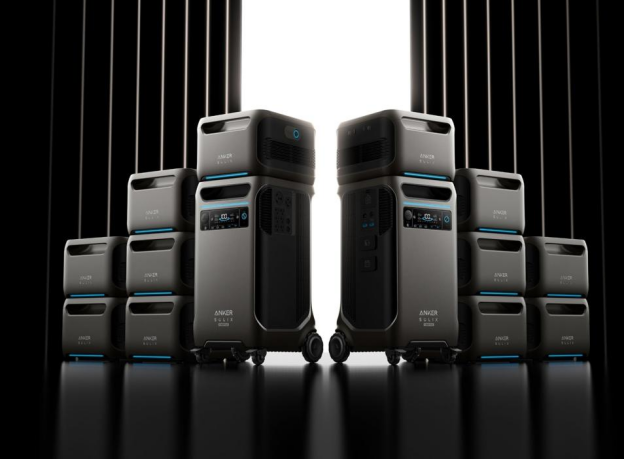
Solar Generators vs Traditional Backup Power Systems
How Solar Generators Work and What They Power
Solar generators capture energy from sunlight using solar panels, then convert it into usable power stored in a battery until needed. They are effective in powering a range of devices and appliances. With an impressive AC output of 6,000W per unit, solar generators can power anything from refrigerators to central air conditioning systems. Their scalability allows users to start small and expand storage as necessary, up to 53.8kWh. In optimal sunlight conditions, these generators fully recharge in under 2 hours using dual 165V input. Their efficient operation makes them suitable for not just homes but also emergency situations and off-grid applications.
How Gas and Battery Backup Systems Compare
Traditional gas-powered generators rely on gasoline to produce electricity, appealing for their high power output and reliability during extended outages. They offer consistent power but require regular fuel refills and emit greenhouse gases. On the other hand, battery backup systems are charged via grid power and provide silent operation and zero emissions, but are limited by battery storage capabilities, requiring frequent monitoring to maintain adequate power levels. Compared to solar systems, gas ensures higher reliability in non-sunny conditions, while battery systems offer quiet and emission-free storage but lack the flexibility and expansion options that solar generators provide.
Performance, Cost, and Reliability in Real-Life Use
Power Output, Runtime, and Appliance Support
Solar and traditional systems differ in power generation and duration of support. Solar generators provide robust AC output of 6,000W, supporting various domestic appliances, including heavy-duty ones. However, the runtime depends on sunlight availability, making a continual power supply challenging on cloudy days. Gas generators offer consistent power but at the cost of fuel dependence. Battery backups ensure steady power, ideal for short-term outages, yet storage limitations curtail long-term use. Ultimately, solar’s ability to recharge quickly under optimal sunlight is advantageous, while traditional systems ensure reliability regardless of weather conditions, supporting high-energy appliances continuously.
Costs, Maintenance, and Long-Term Value
Solar generators represent a low-maintenance solution, reducing operational costs since they utilize free solar energy. Initial setup can be costly, but expansion doesn’t necessitate professional installation due to plug-and-play capabilities. Gas generators entail ongoing fuel expenses and maintenance for operational efficiency, while battery systems, though cost-effective initially, may incur higher costs for capacity upgrades. Solar systems offer favorable long-term savings, thanks to minimal maintenance and renewable power, being sustainable and cost-effective over time. Comparing traditional options, solar indeed offers significant value in reducing environmental footprint and operational costs over several years.
Are Solar Generators a Practical Replacement Today?
Best Use Cases for Solar Generators
Solar generators are perfect for environments with abundant sunlight where sustainable energy is a priority. They excel in off-grid locations, providing power without grid dependency. Homes seeking renewable solutions and reduced carbon footprints benefit greatly. Emergency preparedness calls for reliable, eco-friendly energy, and solar delivers efficiency in such scenarios. Energy-conscious individuals favor solar for camping or outdoor activities, appreciating its quiet, clean power. In areas prone to blackouts, solar’s potential to expand can meet critical needs. For those who value long-term savings and sustainable living, solar power generators offer substantial advantages, proving their worth in various situations.
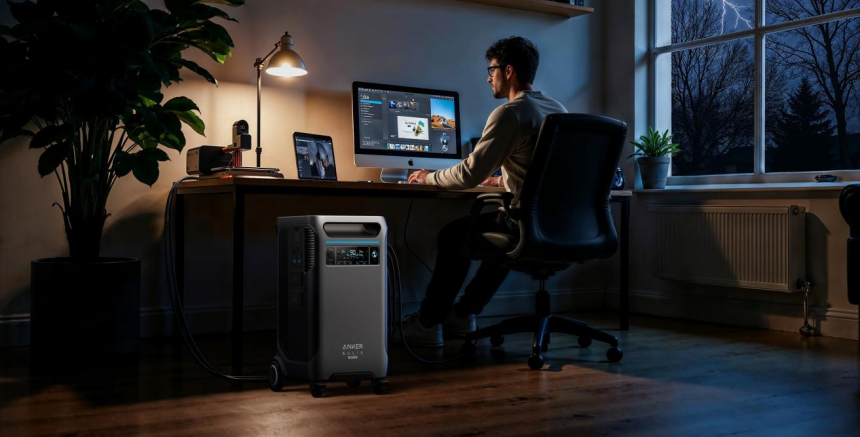
Limitations and When Traditional Power Is Still Needed
Despite their benefits, solar generators are not universally ideal. Overcast or densely shaded regions may struggle with consistent energy generation, making reliance on solar risky. Traditional systems provide immediate, high-output power suitable for large residential properties and business operations requiring robust energy. Gas and battery systems become indispensable during prolonged non-sunny conditions or nighttime usage, where solar cannot generate power. Large industrial facilities demand high power with reliability that traditional setups deliver. For situations demanding immediate power restoration beyond weather impact, traditional forms remain critical, highlighting the ongoing necessity for energy diversity among backup systems.
Conclusion
Solar generators are evolving into viable alternatives to traditional backup power systems. They offer high-efficiency solar input for rapid recharging, scalability for various energy needs, and commitment to sustainability. While traditional systems ensure immediate, reliable power under diverse conditions, solar presents an attractive, eco-friendly option for homes prioritizing long-term savings and green living. Evaluating personal or business energy requirements, geographic location, and sustainability goals will identify whether solar can replace traditional backup. Although limitations exist, advancing technology and growing awareness about eco-friendly options set the stage for solar generators to play a dominant role in the future of energy supply.
Navigation Lists
Solar Generators vs Traditional Backup Power Systems Performance, Cost, and Reliability in Real-Life Use Are Solar Generators a Practical Replacement Today? ConclusionCategory
blog
Related Articles
Hot Articles
![EVsmart blog Toyota's electric car "bZ4X" that makes you feel comfortable with electric cars and quick chargers / No% display of battery level [Editorial department] Popular articles Recent posts Category](https://website-google-hk.oss-cn-hongkong.aliyuncs.com/drawing/article_results_9/2022/3/9/752542064665dc2bd7addbc87a655694_0.jpeg)
![Lenovo's 8.8 inch one-handed tab "Legion Y700" full specs released! [Is the price in the 40,000 yen range?]](https://website-google-hk.oss-cn-hongkong.aliyuncs.com/drawing/article_results_9/2022/3/9/207e1be231154e91f34c85b4b1d2126c_0.jpeg)